

Robotics & Physical AI
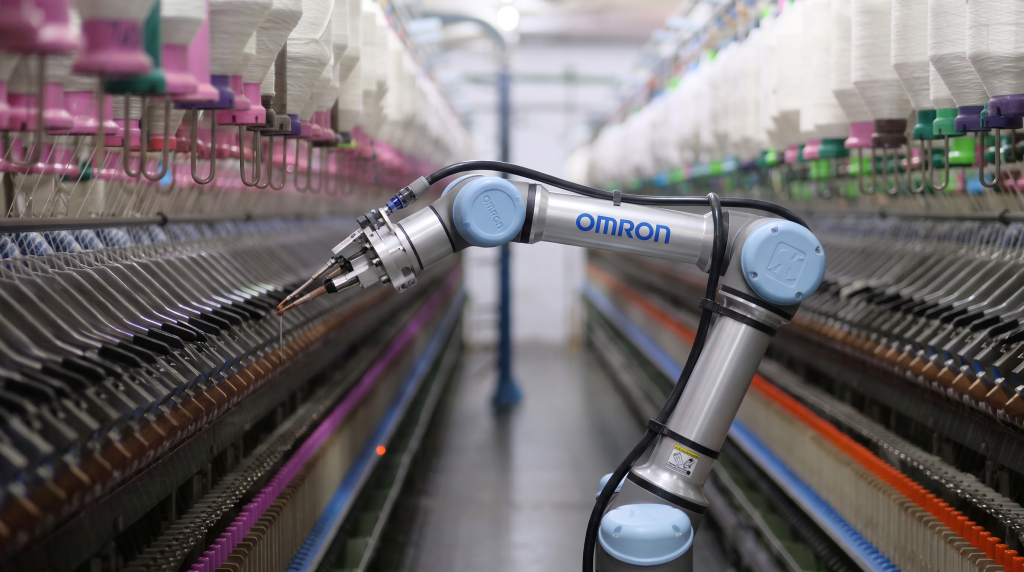
The next engine of industrial growth is physical. For decades, software transformed how companies compete. Now intelligence is moving into machines that sense, move and act. Robots, cobots and autonomous systems that learn from the physical world instead of simply repeating a fixed program. This shift is called Physical AI, and it is about to reshape manufacturing.
I help industrial and manufacturing companies turn Robotics and Physical AI from a headline into a working, profitable part of their operation with a clear business case, a realistic implementation path and the service thinking that keeps automated systems running.
What is Physical AI?
Physical AI is artificial intelligence embodied in machines that perceive and act in the real world: industrial robots and cobots, autonomous mobile robots, machine vision and the learning models that let these systems adapt to variation rather than break on it. Where classic automation needs a perfectly predictable environment, Physical AI is built to handle the messiness of a real shop floor with changing materials, mixed products and human colleagues working alongside.
How I support you
- Opportunity & strategy identifying where robotics and Physical AI create real ROI in your specific operation, and where they don’t (yet).
- Business model & value case building a defensible case with the Business Model Canvas, so investment decisions rest on numbers, not hype.
- Project & implementation management running the rollout as a certified Project Management Professional (PMP), from pilot to scaled deployment.
- Service & after-sales designing the maintenance, spare-parts and support model that keeps automated systems profitable over their whole life.
- People & change bringing operators, engineers and management along, so the technology is actually adopted.
Mechanical Engineering & Textile Industry
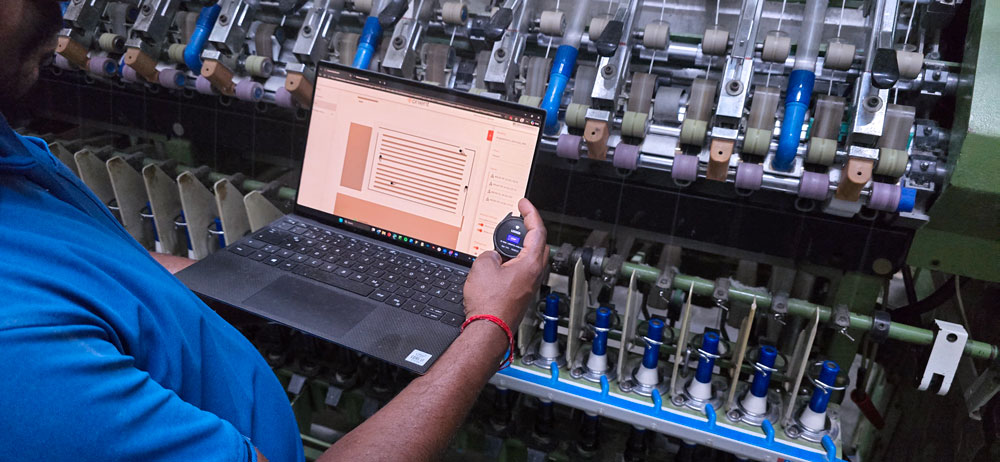
For more than six years I have worked hands-on in the textile industry one of the most demanding environments in the world for automation. Flexible, deformable materials, high-mix production and tight margins make textile robotics genuinely hard: it is exactly where over-promised automation tends to fall apart. That experience shapes how I advise. I know where robotics and Physical AI genuinely pay off on a real production line, and where the glossy demo will never survive contact with the factory floor.
Why work with me
- 6+ years of hands-on experience in textile manufacturing a proving ground for difficult automation.
- Certified Project Management Professional (PMP), PMI ID 4209291.
- A track record across service management, after-sales and enterprise XR/AR for industry.
- A rare bridge between boardroom strategy and the reality of the shop floor.
Ready when you are. Let’s talk about where Robotics and Physical AI belong in your business and where they don’t. 😉